

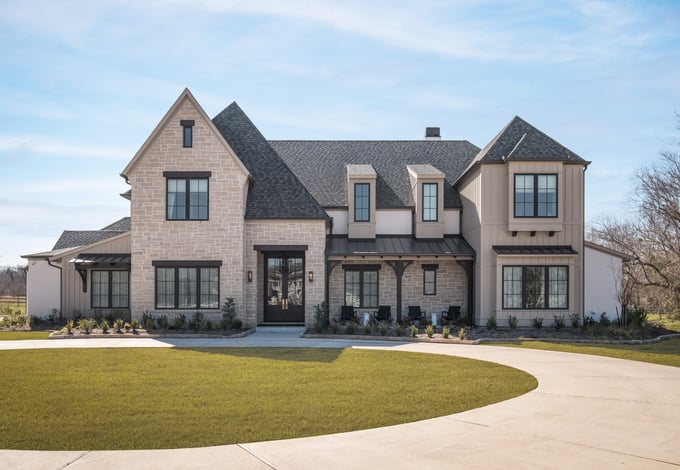
When people hear value-engineering, they might assume it means “cutting corners” or incorporating cheap substitutions into a construction project. Thankfully, that is not the case when you collaborate with a high-quality, conscientious custom home builder like us. For our homeowners and us, true value-engineering is about maximizing value by making informed, strategic decisions that preserve the quality, beauty, and long-term performance of each home while eliminating unnecessary cost.
If you’re embarking on the custom homebuilding journey, be sure to partner with a custom builder who understands your vision and goals and adopts them as their own. Part of the builder’s role will involve considering dozens of alternative materials, means, and methods that best meet the budgetary goals you have for your custom home.
Below are value-engineering strategies and considerations we employ when collaborating with each of our homeowners. In every case, budget alignment is the goal in addition to maintaining a high level of craftsmanship, aesthetics, and longevity.
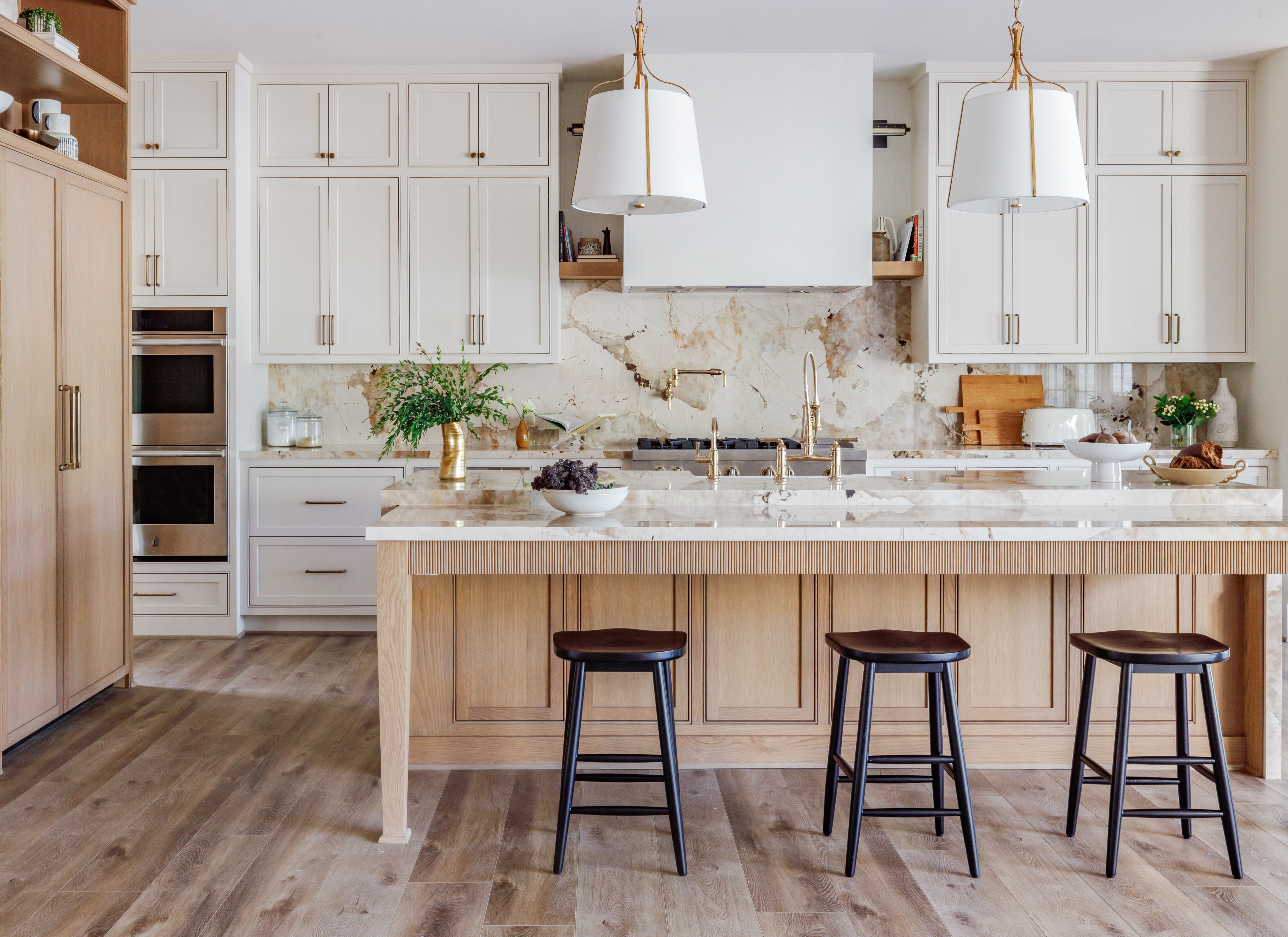
1. Start Early: Value-Engineering Works Best in the Design Phase
The most impactful cost savings happen before construction begins. We are typically engaged from the start of the architectural design phase in order to incorporate value-engineering before it’s too late. Once drawings are complete and contracts are signed, value-engineering options narrow quickly.
High-impact early decisions include:
- Simplifying structural spans without compromising ceiling height
- Aligning room layouts to reduce unnecessary steel or engineered beams
- Stacking plumbing walls to reduce labor and mechanical complexity
- Reducing the “expensive” square footage in a home (kitchens, bathrooms)
- Planning an efficient layout (2-story with first floor similar in size to the second floor)
- Minimizing “inefficient” square footage (courtyards, hallways, vestibules, galleries, nooks)
- Simplifying the design of your roof, if possible
- Exploring a variety of material options for the home’s exterior façade
- Considering various window, door, and roofing options
Luxury homes benefit enormously from collaboration between the architect, builder, interior designer, and key trades during the schematic/conceptual design stage. This ensures the home looks extraordinary while being structurally and mechanically efficient.
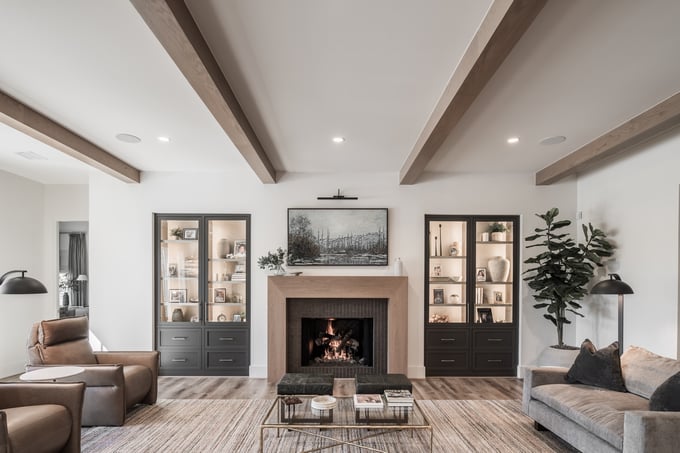
2. Prioritize Architectural Impact Where It Matters Most
In high-end luxury homes, not all spaces need equal investment.
Instead of exclusively top-of-the-line details and finishes everywhere:
-
Allocate budget to high-visibility areas (Kitchens, Primary Suites, Living/Family/Great Room, main Powder Room, Front & Rear Elevations)
-
Simplify secondary spaces (Guest Suites, second floor, Utility Room, back-of-house corridors, storage)
-
Use consistent but restrained detailing in less prominent areas
In fact, a dramatic ceiling detail in one main space often delivers more perceived luxury than repeating expensive treatments throughout the entire home.
3. Optimize Structural Systems Without Sacrificing Scale
Large open spaces and expansive glass are hallmarks of luxury homes — but they often come with significant structural costs.
-
Smart value-engineering strategies include:
-
Adjusting window groupings to reduce steel requirements
-
Using engineered lumber where appropriate, instead of custom steel
-
Reviewing cantilevers, floating staircases, and roof overhangs for cost-to-impact ratio
A subtle shift in span length or support location can dramatically reduce structural complexity and cost while remaining visually seamless.
4. Right-Size Mechanical Systems for Performance, Not Excess
Over-engineered HVAC, electrical, and plumbing systems are common in luxury builds — and they can be expensive both upfront and long-term. Oftentimes, they aren’t completely necessary.
Value-engineering strategies include:
- Collaborating with a home performance & energy efficiency specialist (this is a must for your builder to do)
- Performing accurate load calculations instead of rule-of-thumb oversizing
- Zoning systems efficiently rather than adding redundant equipment
- Investing in smarter controls instead of larger systems
Properly designed systems often perform better, last longer, and cost less to install and maintain.
5. Choose Materials Strategically, Not Emotionally
Luxury does not require the most expensive material in every category — it requires the right material in the right place.
Examples:
- Leverage local sourcing to cut shipping time and costs while reducing lead-time risks
- Use premium stone in high visibility spaces, and consider complementary high-quality porcelain elsewhere
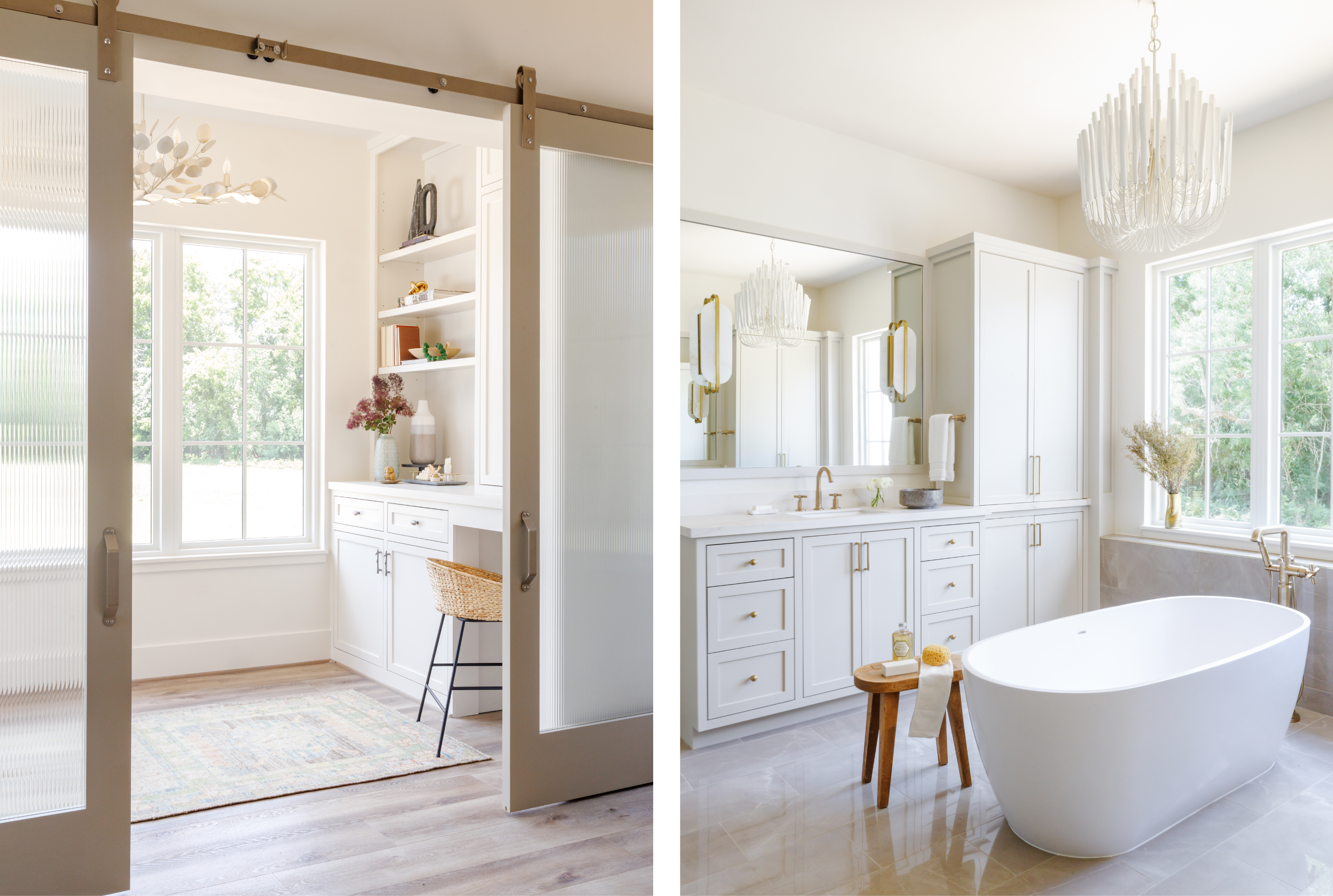
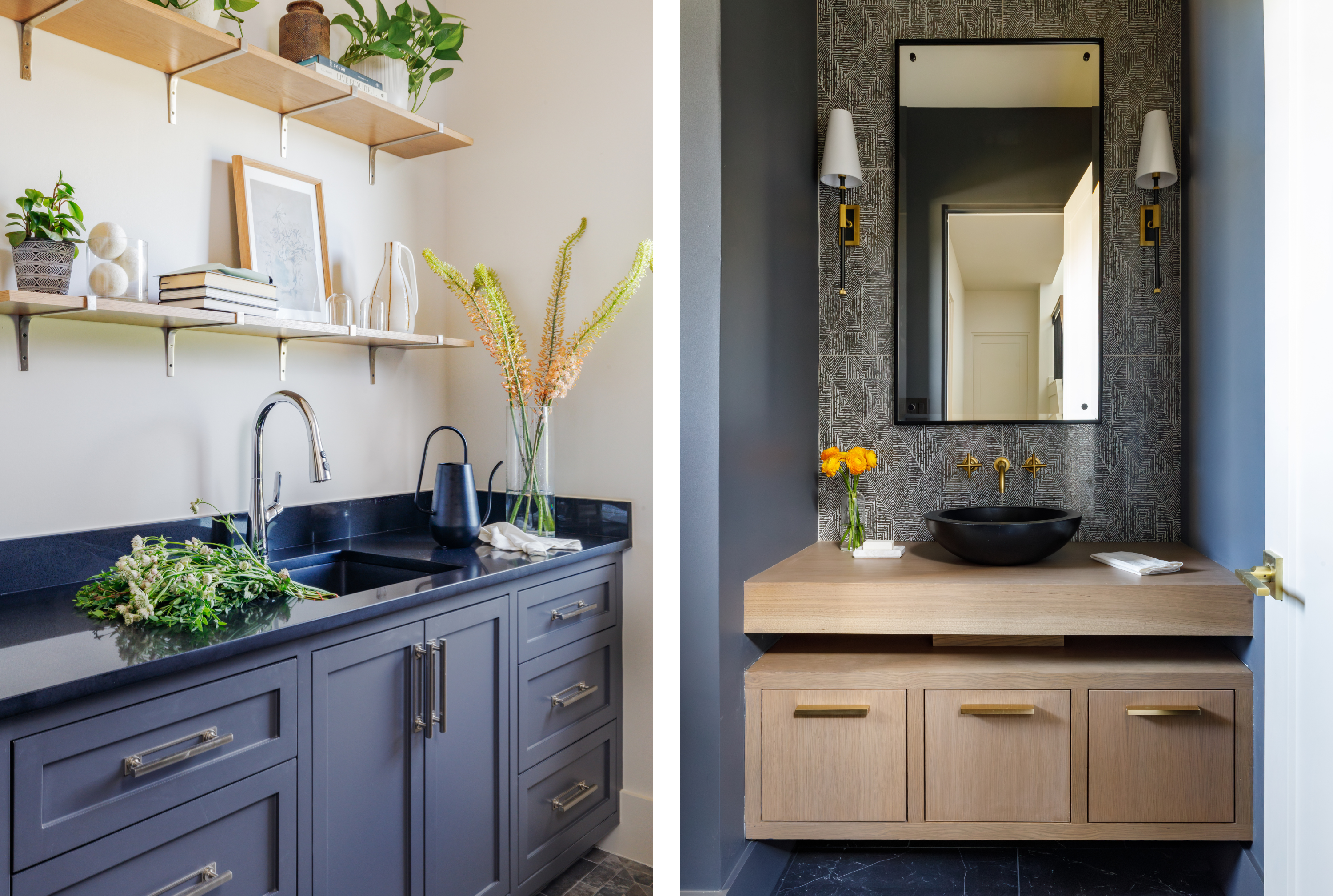
- Consider repeating countertop material in secondary bathrooms in order to efficiently utilize entire slabs of material
- Mix custom cabinetry (stained or painted) with simpler paint-grade cabinetry in secondary areas
- Simplify moldings and trim detailing wherever possible
- Choose high-end solid core interior doors throughout, but use a standard design (rather than a custom special-order)
- Limit plaster walls to high-visibility areas
High-end homes benefit from material hierarchy — a deliberate blend that maximizes visual richness while controlling cost.
6. Focus on Long-Term Value, Not Just Initial Cost
True luxury homeowners think beyond move-in day. Choose materials with lower lifecycle cost (durability + maintenance) over purely expensive options.
Strategic investments that reduce lifetime cost include:
- High-performance building envelopes
- Durable exterior materials that reduce maintenance
- Systems designed for future expansion or technology upgrades
Spending slightly more in the right areas can significantly reduce operating costs and preserve resale value — a critical component of smart value-engineering.
7. Work With a Builder Who Understands Luxury Value-Engineering
Perhaps the most important factor: experience.
Value-engineering luxury homes requires:
- Deep knowledge of materials and construction methods
- Strong relationships with high-end trades and suppliers
- The ability to foresee downstream impacts of design decisions
A seasoned luxury builder doesn’t simply cut costs — they guide you toward smarter decisions that protect both your vision and your investment.
Value-engineering in a high-end custom home is not really about compromise — it’s about clarity and intentionality.
By making thoughtful choices early, prioritizing architectural impact, and leveraging expertise at every stage, homeowners can reduce unnecessary costs while still achieving a home that feels refined, luxurious, and customized to their family.
In the end, the most valuable homes aren’t the ones that cost the most — they’re the ones that were built wisely.




COMMENT ON THIS ARTICLE